

Partnership seeks to boost tourism development, strengthen service-provider training and expand quality standards across one of Mexico’s most recognized cultural destinations.
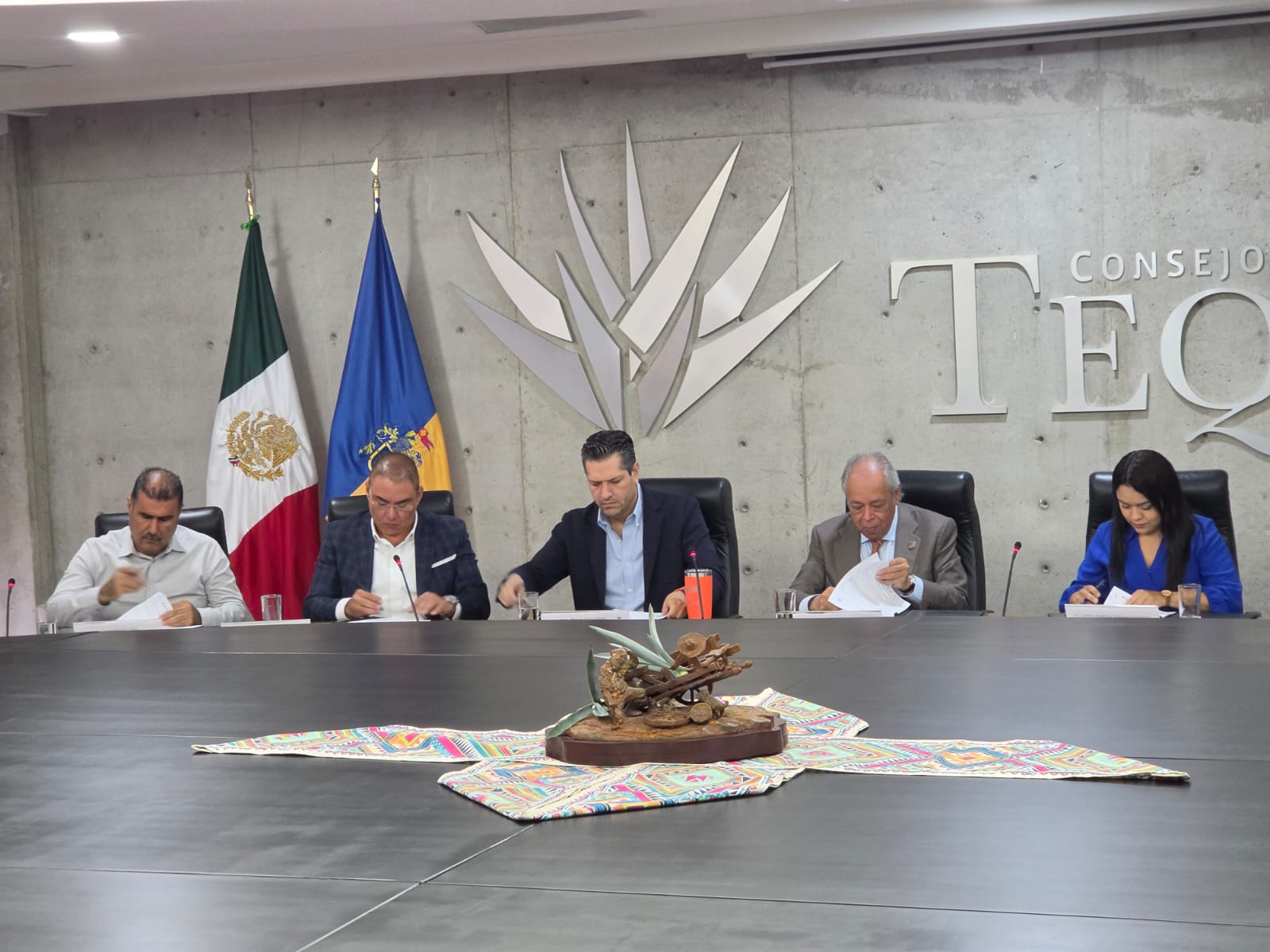
Zapopan, Jalisco.— The Tequila Regulatory Council (CRT) and the municipal governments that make up the Tequila Route signed a cooperation agreement Monday aimed at strengthening the promotion, protection, development and long-term consolidation of one of Mexico’s most important cultural and tourism corridors.
The agreement brings together the municipal governments of El Arenal, Amatitán, Tequila, Magdalena, Teuchitlán, Ahualulco de Mercado, San Juanito de Escobedo and Etzatlán, all located within Jalisco’s agave-producing region.
Serving as witnesses of honor were Mauro Garza Marín, Jalisco’s Coordinator of Economic Growth and Development, and Lorena Angélica Velázquez Guerrero, Director of Tourism Quality at the Jalisco Tourism Secretariat, representing Tourism Secretary Michelle Fridman.
During the event, Garza Marín highlighted the region’s tourism potential and the opportunity presented by the 2026 FIFA World Cup, for which Jalisco is one of Mexico’s host states.
“This effort could not have come at a better time considering the number of visitors we expect to receive. We hope this region will welcome at least one million additional visitors in the coming months, allowing them to discover, appreciate and connect with this agave landscape, which is unique in the world,” he said.
Located in western Mexico, the Tequila Route links municipalities, distilleries, cultural attractions and tourism services associated with tequila production, one of the country’s most iconic products.
Created in 2006, the initiative was launched through a collaboration involving the Inter-American Development Bank (IDB), the José Cuervo Foundation — now the Beckmann Foundation — the Tequila Regulatory Council and a network of public and private stakeholders seeking to promote regional development through tourism.
“The Tequila Route is one of Mexico’s leading tourism destinations, not only because of the importance of the tequila industry, but because it brings together history, culture, traditions, gastronomy, heritage landscapes and a regional identity that has transcended borders,” Velázquez Guerrero said.
“Today’s travelers are not simply looking to visit a destination; they are looking to live an experience.”
Focus on Tourism Quality and Regional Development
CRT President Aurelio López Rocha described the agreement as a new stage of institutional collaboration designed to further position the Tequila Route in domestic and international tourism markets.
“The agreement we are signing today represents a new phase of collaboration and institutional strengthening,” López Rocha said. “It is a comprehensive strategy to continue promoting the Tequila Route, consolidate the region, support tourism promotion, strengthen micro, small and medium-sized enterprises, support local artisans and expand the TT Certification.”
The TT (Tequila-Tourism) Certification is awarded by the CRT to hotels, restaurants, entertainment venues, tequila distilleries, artisan businesses, handicraft retailers and other tourism service providers that meet established quality standards within the Tequila Route territory.
Since its implementation, the certification has been granted to more than 160 businesses.
Another key component of the agreement is the professional development of tourism service providers throughout the region. According to the CRT, more than 111 people working in tourism-related activities have participated in training programs during 2026 through initiatives coordinated with local governments.
Municipalities Seek Stronger Regional Collaboration
Speaking on behalf of the municipalities that make up the Tequila Route, El Arenal Mayor Gildardo Partida Hermosillo emphasized the importance of expanding cooperation among public institutions, businesses and tourism stakeholders.
“Today we are joining efforts to broaden our network of collaboration, bring more participants into this initiative, strengthen our service providers and further establish the region as one of Jalisco’s premier tourism experiences,” he said.
“We are confident that strong institutions such as the Tequila Route and the Tequila Regulatory Council provide something essential for any destination: trust.”
Also attending the event were Amatitán Mayor Lionel Partida Ortiz, Magdalena Mayor Marco Trejo Téllez Girón, Teuchitlán Mayor Jaime Alberto Rodríguez Ballesteros, Ahualulco de Mercado Mayor Bladimir Arreola Álvarez, San Juanito de Escobedo Mayor José Adrián Rodríguez García, National Chamber of the Tequila Industry President Roberto Ciprés Cruces, tourism service providers and invited guests.
Over the past two decades, the Tequila Route has become one of Mexico’s most successful examples of cultural tourism and regional development, generating economic opportunities for local communities while preserving the traditions, landscapes and heritage associated with tequila production.
The route is centered around the Agave Landscape and Ancient Industrial Facilities of Tequila, recognized as a UNESCO World Heritage Site since 2006.


